Essential Power Tools for Boosting Plumbing Project Efficiency
GET INSURED NOW

For plumbers, using the right tools is essential for completing projects efficiently, safely, and with high-quality results. Investing in reliable power tools not only saves time but also ensures precision and reduces strain on plumbers. This guide explores the key power tools that can streamline plumbing tasks, from cordless drills to inspection cameras, and offers insights on how to select and use these tools effectively.

The Advantages of Cordless Drills

Cordless drills are a must-have for plumbers, offering the flexibility to move freely around job sites without being limited by power outlets. With advanced battery technology, today’s cordless drills provide consistent power and long runtimes, ideal for repetitive drilling tasks.


Cordless drills make it easy to drill into various materials, including wood, drywall, and metal. Additionally, the portability and power of cordless drills allow plumbers to handle tasks efficiently, especially in tight spaces. For plumbers working across multiple sites, having business personal property insurance can protect these essential tools from loss or damage, ensuring uninterrupted project progress.

Impact Wrenches: Essential Tools for Plumbers

Impact wrenches are indispensable for plumbing work, particularly when loosening or tightening nuts and bolts. The added torque of impact wrenches allows plumbers to work faster and with less physical strain, which is especially useful on stubborn or corroded fittings.


Benefits of Using Impact Wrenches


Impact wrenches offer several advantages, including:


  • Higher Torque: The increased torque of impact wrenches makes it easier to handle tight or rusted fasteners without exhausting manual effort.
  • Reduced Fatigue: Using impact wrenches can reduce strain on wrists and arms, enabling plumbers to work longer with minimal discomfort.
  • Efficiency in Tight Spaces: Compact models allow plumbers to work effectively in cramped areas, improving accessibility and speed.


How to Select the Right Impact Wrench


When choosing an impact wrench, consider the following factors:


  • Power Source: Cordless impact wrenches offer flexibility, while pneumatic models provide high torque for heavy-duty tasks.
  • Size and Weight: Lightweight models are ideal for jobs that require maneuverability, but heavier models often provide greater power.
  • Torque Control: Adjustable torque settings allow for precision, preventing over-tightening or damage to fittings.


For plumbers who rely heavily on impact wrenches, equipment insurance can cover these essential tools, protecting against unexpected repair or replacement costs.

Transforming Plumbing Tasks with Pipe Cutters

Pipe cutters are essential for creating clean cuts on pipes, whether they’re made of copper, PVC, or steel. Using a pipe cutter instead of a hacksaw improves accuracy, reduces mess, and minimizes the risk of uneven cuts.


With advancements in design, some pipe cutters now come with ratcheting mechanisms, which enhance speed and ease of use. For plumbers who frequently work with various pipe materials, investing in high-quality pipe cutters can significantly boost project efficiency and accuracy.

The Effectiveness of Heat Guns in Various Applications

Heat guns are versatile tools in plumbing, used for tasks like loosening stubborn fittings, thawing frozen pipes, and bending PVC pipes. They allow for controlled heat application, making it easier to work with materials without damaging them.


Using a heat gun properly requires some practice to avoid overheating or warping materials. For projects involving delicate surfaces, plumbers should start with lower heat settings and gradually increase as needed. Given the risks of working with high heat, general liability insurance can protect against potential property damage claims related to heat gun use on job sites.

The Benefits of Inspection Cameras in Plumbing

Inspection cameras are invaluable for plumbers needing to assess hard-to-reach areas, such as inside pipes, walls, or sewer lines. These cameras provide a clear view of potential blockages, leaks, or damage, enabling plumbers to diagnose issues accurately without invasive measures.


Inspection cameras improve efficiency by allowing plumbers to quickly locate problems, reducing the need for guesswork or extensive dismantling. For high-end inspection tools, commercial property insurance offers coverage to protect against theft or damage, ensuring these valuable devices remain functional.

Boosting Efficiency with Portable Band Saws

Portable band saws are ideal for plumbers working with metal pipes and other tough materials. They allow for quick, precise cuts, especially on pipes that are difficult to maneuver or reach with stationary saws. The portability of these tools is especially beneficial for on-site work, allowing plumbers to make accurate cuts in tight or elevated spaces.


With features like variable-speed settings and compact designs, portable band saws make it easy to adjust cutting speed based on the material. When used in conjunction with proper safety practices, band saws significantly reduce the time required for cutting tasks, which can be essential on large projects with strict deadlines.

Final Thoughts on Essential Plumbing Tools

For plumbers, having the right power tools is essential for completing jobs quickly, accurately, and safely. By investing in tools like cordless drills, impact wrenches, pipe cutters, and inspection cameras, plumbers can improve their workflow and achieve high-quality results. Additionally, ensuring comprehensive tool coverage through options like plumber insurance protects valuable equipment from unforeseen losses, providing peace of mind and maintaining productivity on every job site. With the right tools and protection, plumbers can tackle any project with confidence, efficiency, and precision.

Speak with us today!

We can help you with any of your contractor insurance needs!

Latest Posts

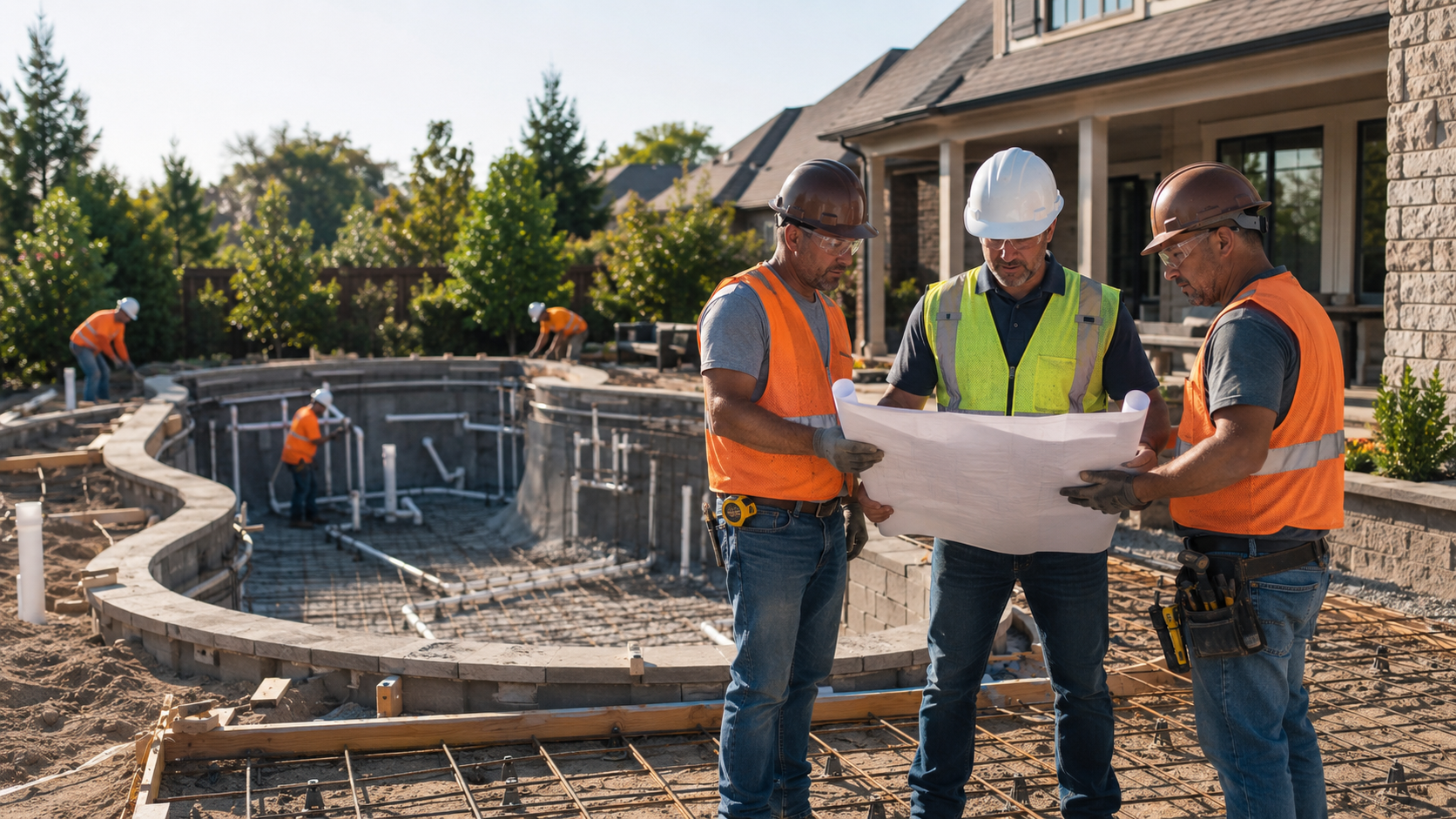
Man reviewing documents at a desk, construction site visible. White hard hat, laptop, and blueprints present.
by Behr 2 February 2026
Many contractors are surprised by how much a single claim can affect their insurance costs and options. Learn why it happens and how risk management reduces long-term impact.
by Behr 2 February 2026
As a contractor, you’re used to managing overhead, but nothing is quite as frustrating as an unexpected bill after a Workers' Comp Audit. We recently helped one of our plumbing clients navigate a complex audit dispute. The initial result was an additional premium bill of $10,220.38. By the time we were finished fighting for them, that bill was lowered by $9,140! Here is how it happened and how you can prevent the same thing from happening to your business. The "Highest Rate" Trap During the audit, the insurance carrier moved all of the client's payroll to a secondary location that carried significantly higher rates. When we asked why, the auditor’s response was simple: since they didn't have specific employee locations, they defaulted everything to the location with the highest rate. The Reality: Standard industry rules (such as those from the WCIRB) state that payroll should be assigned to the location from which employees are actually dispatched or report for work. It shouldn't be based on which location is the most expensive for the carrier. The "CEO in the Field" Error Another common mistake we found was that the auditor had classified the company's CEO as a field worker. Despite the client explaining multiple times that the CEO only worked in the office, the auditor didn't make the change until we intervened. Moving an executive from a "Plumbing" class code (high risk) to a "Clerical" class code (low risk) can save thousands of dollars in premium. How We Won the Dispute Fighting an audit takes more than just a phone call. It requires persistence and technical knowledge. To get the audit revised, we: Challenged the Auditor: We cited specific industry guidance regarding payroll allocation. Provided Granular Data: We worked with the client to pull specific reports from their payroll system to prove exactly where work was being performed. Escalated the Issue: When the auditor initially refused to budge, we took the fight to the underwriting team and the audit dispute department. The Result The carrier finally admitted the error and confirmed the audit was being revised. The client's additional premium was slashed, saving them $9,140. Don’t Just Pay the Bill If you just received a "Final Audit" notice with a large balance due, don't assume the auditor is right. Auditors are human, and they often default to the highest possible cost for the insured when data is unclear. At Contractor Insurance Pros , we don't just sell you a policy and disappear. We are your partners during the audit process to ensure you only pay exactly what you owe. Want us to take a second look at your last audit?
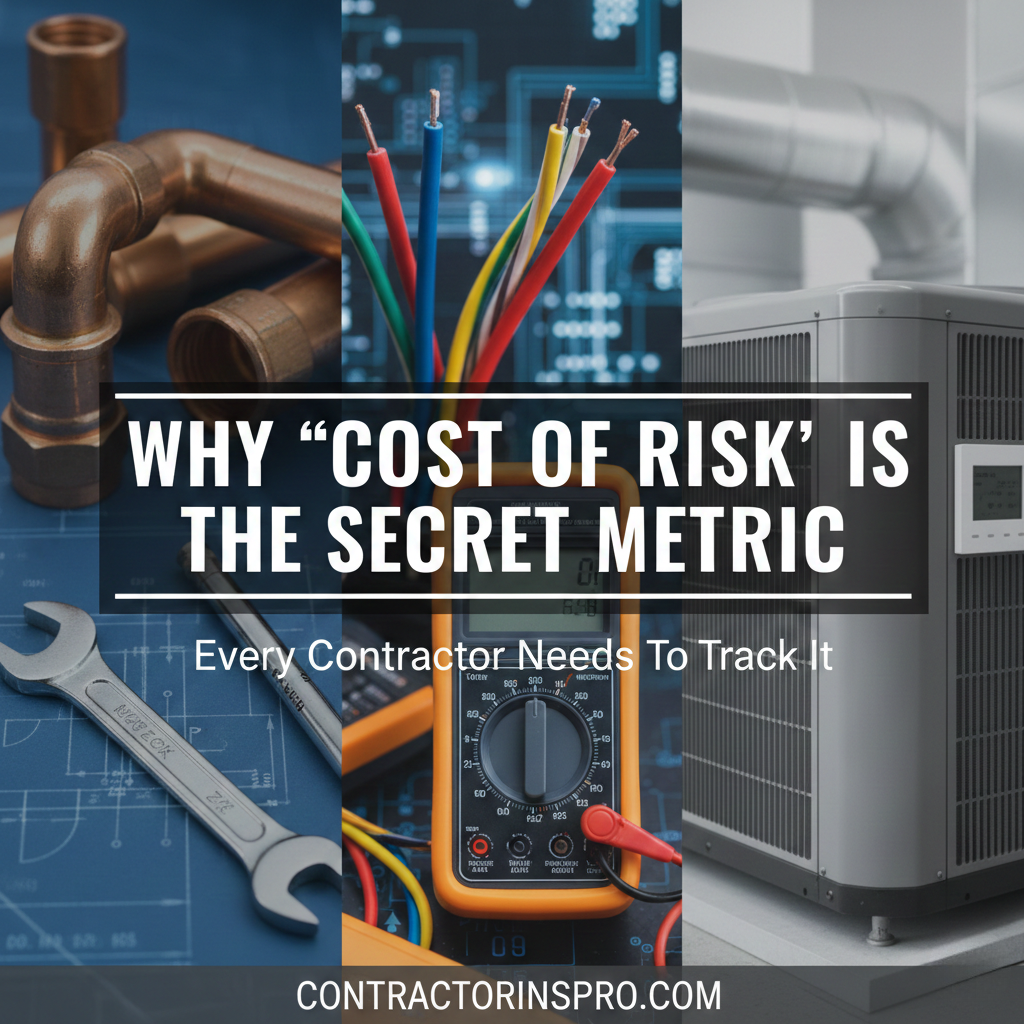
A professional graphic for ContractorInsPro featuring a collage of plumbing pipes, electrical wiring
by Behr 21 January 2026
Stop treating insurance as just a bill. Learn how plumbing, electrical, and HVAC contractors use the 'Cost of Risk' metric to lower expenses and increase net income. Read more at ContractorInsPro.
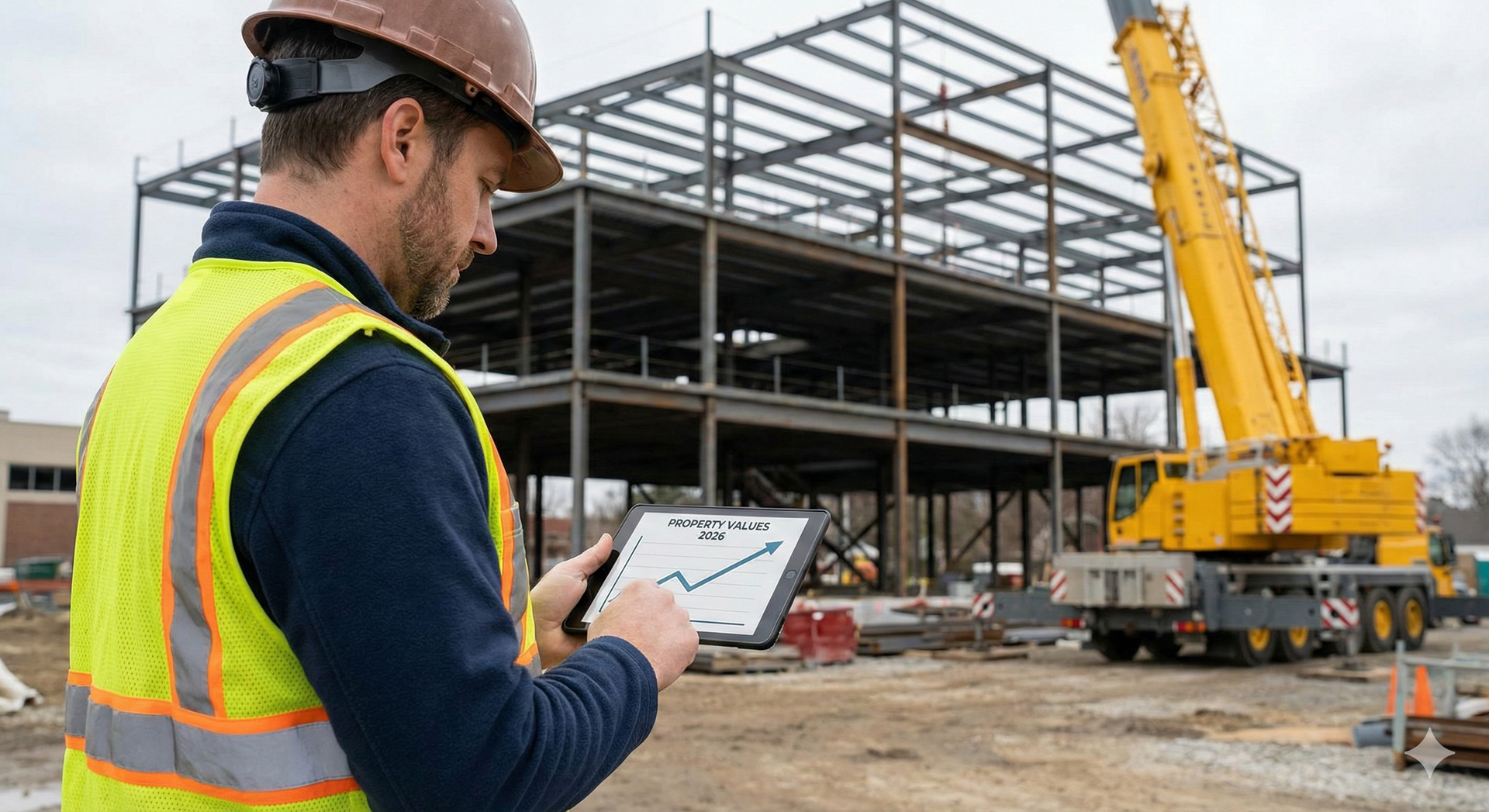
A general contractor in a hard hat and safety vest on a construction site, looking at a tablet that
by Behr 15 January 2026
Discover Q4 2025 insurance trends for contractors. Learn how property values, liability risks, and new EPL claims will impact your 2026 renewals.
How to Get Proof of Insurance as a General Contractor
by jbehr 21 November 2025
Contractor Insurance Pros helps general contractors secure and manage proof of insurance, stay compliant, and protect their business nationwide.
Insurance Requirements for General Contractors Explained
by jbehr 21 November 2025
Protect your construction business with the right insurance. General, professional, workers’ comp & builder’s risk coverage explained.
How the Rise of Smart Homes Impacts Contractor Insurance Needs
by jbehr 27 December 2024
Protect your smart home contracting business with tailored insurance: Cyber Liability, Professional Liability, Workers’ Comp, and more. Learn how today!
Insurance for Solar Installation Contractors: What Coverage Do You Need?
by jbehr 27 December 2024
Protect your solar installation business with tailored insurance: General Liability, Workers’ Comp, Equipment, and Professional Liability. Learn more today!
Top Insurance Considerations for Contractors Adopting Green Building Practices
by jbehr 27 December 2024
Green construction introduces unique risks. Protect your business with Pollution, Equipment, Liability, and Workers' Compensation Insurance. Learn more today!
Understanding Regional Risk Factors: Wildfire Insurance for Construction Projects
by jbehr 27 December 2024
Protect construction projects from wildfire risks with Builder’s Risk, Equipment, Liability, and Workers' Compensation Insurance. Learn more today!
Show More
Man reviewing documents at a desk, construction site visible. White hard hat, laptop, and blueprints present.
by Behr 2 February 2026
Many contractors are surprised by how much a single claim can affect their insurance costs and options. Learn why it happens and how risk management reduces long-term impact.
by Behr 2 February 2026
As a contractor, you’re used to managing overhead, but nothing is quite as frustrating as an unexpected bill after a Workers' Comp Audit. We recently helped one of our plumbing clients navigate a complex audit dispute. The initial result was an additional premium bill of $10,220.38. By the time we were finished fighting for them, that bill was lowered by $9,140! Here is how it happened and how you can prevent the same thing from happening to your business. The "Highest Rate" Trap During the audit, the insurance carrier moved all of the client's payroll to a secondary location that carried significantly higher rates. When we asked why, the auditor’s response was simple: since they didn't have specific employee locations, they defaulted everything to the location with the highest rate. The Reality: Standard industry rules (such as those from the WCIRB) state that payroll should be assigned to the location from which employees are actually dispatched or report for work. It shouldn't be based on which location is the most expensive for the carrier. The "CEO in the Field" Error Another common mistake we found was that the auditor had classified the company's CEO as a field worker. Despite the client explaining multiple times that the CEO only worked in the office, the auditor didn't make the change until we intervened. Moving an executive from a "Plumbing" class code (high risk) to a "Clerical" class code (low risk) can save thousands of dollars in premium. How We Won the Dispute Fighting an audit takes more than just a phone call. It requires persistence and technical knowledge. To get the audit revised, we: Challenged the Auditor: We cited specific industry guidance regarding payroll allocation. Provided Granular Data: We worked with the client to pull specific reports from their payroll system to prove exactly where work was being performed. Escalated the Issue: When the auditor initially refused to budge, we took the fight to the underwriting team and the audit dispute department. The Result The carrier finally admitted the error and confirmed the audit was being revised. The client's additional premium was slashed, saving them $9,140. Don’t Just Pay the Bill If you just received a "Final Audit" notice with a large balance due, don't assume the auditor is right. Auditors are human, and they often default to the highest possible cost for the insured when data is unclear. At Contractor Insurance Pros , we don't just sell you a policy and disappear. We are your partners during the audit process to ensure you only pay exactly what you owe. Want us to take a second look at your last audit?
A professional graphic for ContractorInsPro featuring a collage of plumbing pipes, electrical wiring
by Behr 21 January 2026
Stop treating insurance as just a bill. Learn how plumbing, electrical, and HVAC contractors use the 'Cost of Risk' metric to lower expenses and increase net income. Read more at ContractorInsPro.
A general contractor in a hard hat and safety vest on a construction site, looking at a tablet that
by Behr 15 January 2026
Discover Q4 2025 insurance trends for contractors. Learn how property values, liability risks, and new EPL claims will impact your 2026 renewals.
How to Get Proof of Insurance as a General Contractor
by jbehr 21 November 2025
Contractor Insurance Pros helps general contractors secure and manage proof of insurance, stay compliant, and protect their business nationwide.
Insurance Requirements for General Contractors Explained
by jbehr 21 November 2025
Protect your construction business with the right insurance. General, professional, workers’ comp & builder’s risk coverage explained.
How the Rise of Smart Homes Impacts Contractor Insurance Needs
by jbehr 27 December 2024
Protect your smart home contracting business with tailored insurance: Cyber Liability, Professional Liability, Workers’ Comp, and more. Learn how today!
Insurance for Solar Installation Contractors: What Coverage Do You Need?
by jbehr 27 December 2024
Protect your solar installation business with tailored insurance: General Liability, Workers’ Comp, Equipment, and Professional Liability. Learn more today!
Top Insurance Considerations for Contractors Adopting Green Building Practices
by jbehr 27 December 2024
Green construction introduces unique risks. Protect your business with Pollution, Equipment, Liability, and Workers' Compensation Insurance. Learn more today!
Understanding Regional Risk Factors: Wildfire Insurance for Construction Projects
by jbehr 27 December 2024
Protect construction projects from wildfire risks with Builder’s Risk, Equipment, Liability, and Workers' Compensation Insurance. Learn more today!